

According to SafeHome.org, an estimated 74.9 million U.S. households have security cameras in 2026, with approximately 58.9 million (48%) using video doorbells for home security1. Contributing to this figure— which is up from 37% in 2023, is that DIY home security installations having officially become more common across the country than professional installations.
Homeowners opting for DIY solutions isn’t unique to the security industry. Rising costs, inflation, and the availability of online tutorials has led to many homeowners tackling not only their security, but also electrical, automotive, and other projects. When it comes to video doorbells, who could someone for simply installing it themselves? At most, it’s a simple removal of the existing doorbell, connecting two low voltage wires to the new model, and configuring the video doorbell in a mobile app. Some video doorbells are battery powered, which provide an even easier installation.
The real question is not whether a homeowner can install a security system. It’s whether DIY-friendly solutions, such as a video doorbell, are even effective at protecting a home.
Professional Monitoring vs. Self Monitoring
One major factor to consider when evaluating the efficacy of video doorbells for home security is monitoring. Most video doorbell brands offer 24/7 professional monitoring plans, however, self-monitoring is far more common. While no official statistic has been published, experts estimate that approximately 80-95% of video doorbells are self-monitored. Commonly cited reasons for self-monitoring include cost and privacy concerns.
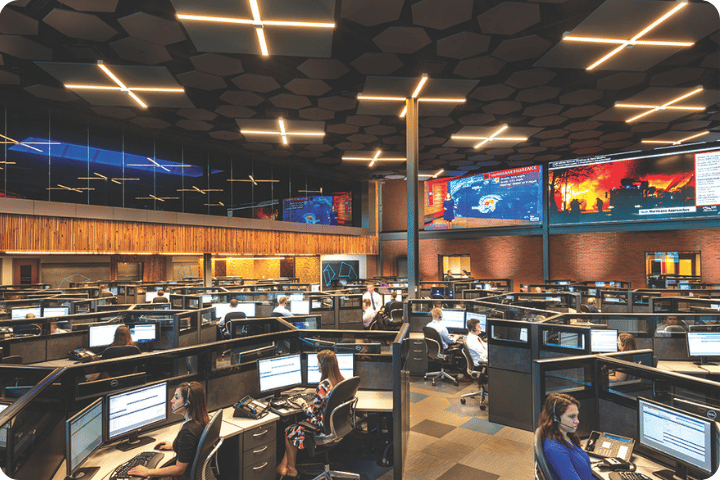
The pitfall of self-monitored video doorbells, or any security system, is an obvious one: what happens when a homeowner misses the notification? A central station is staffed 24/7, 365, with the sole purpose of receiving and responding to alarm signals as quickly and effectively as possible. Homeowners sleep, go to work, run errands, and travel. Central stations have strict guidelines for redundancy and facility security, and are designed to limit distractions for operators. Homeowners could be using their video doorbell app on an iPhone 8, or have the sound of the notification drowned out by their kids in the backseat. One of these scenarios would fit a conventional definition of security. The other? Misguided peace of mind.
Let’s assume one is in the minority of homeowners that utilize professional monitoring for their video doorbell. Is that, and that alone, enough to protect their home? The answer is still no. Here’s why:
Communication Vulnerabilities
The vast majority of video doorbells utilize Wi-Fi for primary connectivity, with only a small fraction using Power-over-Ethernet. Any doorbells that communicate over the common 2.4 GHz frequency— whether due to limitations of the doorbell, the homeowner’s network, or the doorbell’s distance from the router, are vulnerable to cellular jamming. That’s not to mention any of the more common disruptions to Wi-Fi service, such as poor weather, interference, or ISP maintenance.
Both communication options— Wi-Fi and PoE, are vulnerable to internet outages. This can be mitigated with local storage options such as an SD card or network video recorder (NVR) on some models. However, if a homeowner is away from home (as they typically would be during a burglarly) a disruption to their internet service will leave them blind and their home defenseless.
Alarm System vs. Video Doorbell
In contrast, a typical modern monitored alarm system utilizes cellular communication and a battery backup to ensure a home is always protected— some even with built-in RF (radio frequency) jamming protection. Power loss, low battery, tamper, and any other trouble or alarm signals are rapidly communicated to the homeowner and the central station. The homeowner might still miss the alert and/or the call from the central station, but the operator will dispatch the police depending on the type of signal and established action plans.
An alarm system can also protect the areas where homeowners typically do not install video doorbells. This includes back doors, garages, and windows. While many might install DIY cameras to cover these areas, they will face the same limitations as video doorbells in an internet outage— not ideal.
Video Doorbells: A Cost-Effective Layer of Home Security
None of this is to say that video doorbells aren’t an excellent addition to a home security system. Some models, such as the ONVIF and NDAA-compliant DMP Vue Video Doorbell, offer homeowners video analytics such as vehicle and package detection2, and provide a very cost-effective method of seeing and communicating with who is at your door. However, they should certainly not be considered an effective security system on their own.
At Intelli-Tec Security Services, we specialize in delivering advanced, personalized security solutions. Our team is dedicated to ensuring that your home or business remains secure against emerging threats 24/7/365.
Secure your peace of mind. Contact Intelli-Tec today for a private security assessment.